Love in the Time of Coronavirus*
The choices we make together determine who we become next.
Before we get started today: Welcome, welcome to a bunch of new subscribers and daily visitors. I’ve been BOWLED OVER by the kindness, the conversation, the emails the shares, and the stories. There's so much going on around us and within us, and if often feels so big. Today's meditation is all about going forward together.
Lent is the season of looking at emptiness and seeing resurrection. It is a time of training the eyes, the mind, the heart, to see beyond scarcity, instead of watching for the seed of new life.
Lent's springiness is a handy reminder. This weekend, I’ll go from dead-looking bush to dead-looking bush around the property and dump pricy compost over their roots. I’ll offer a blanket of nutrient-dense hope to things that have no guarantee of coming back to life. Invariably, some of them won’t. I have no way of knowing which ones. To fertilize them all is an act of hope and trust, releasing my constant demand for control over what gets to thrive and what deserves to die.
Lent offers the ridiculous prompt that we should love, give, hope, trust, and engage, even when the benefits aren’t easy to find and are impossible to predict. The benefits may not even be to us personally, and yet we engage the thawing soil. Lent is our annual training class that there is no Return-on-Investment (ROI) calculation on love. You just simply cannot know.
When we begin to escape the shadow of ROI calculus, curiosity and wonder take hold.
- We trade “Will this work?” for “I wonder how this can help?”
- We trade “Are they worth it?” for “Who are they?”
- We trade “Who am I to care?” for “What do I get to care about?”
The world, re-saturating from its colorless months, is full of latent possibilities, unimagined beauty, joy that we cannot earn our way into.
Fear is a Virus
I wrestled with whether to include the dreaded Coronavirus in today’s meditation, but the reach of this one word and its ability to capture and multiply the fear of death and loss cannot be ignored. The novel strain of Coronavirus, COVID-19, is both a real factor and a metaphor for the blanket of anxiety many of us feel each day. As we speak, people’s lives and livelihoods are being undermined by compromised immunity, canceled events, reduced incomes. Writers who depend on conferences, hotel cleaners who depend on bookings, people with chronic illnesses who cannot risk exposure are making changes small and large to adjust for an unmanageable new variable.
This contagion of doubt seeps into everything from how we spend our Saturday nights to whether we go on vacation to what kind of takeout we order. Because economies feed off of the perception of certainty, the instability becomes a self-fulfilling prophecy. Anxiety about the future is Narnia’s endless winter. It threatens to hold off spring’s hope forever. Real threats that produce global actions and reactions have an insidious way of validating that anxiety.
In the coronavirus mayhem, we have done what we always do: folded into ourselves, sought to protect our own, aligned with narratives painting the worst about others. Only the most wicked few do this out of spite, for the rest of us, it is the icy anesthesia of suspicion and self-interest. Because we live in a post-Christian country lacking the moral leadership to call out our better angels, we stand on permanent threat alert, not even sure who or what our threats are anymore.
Love Whenever and However
Times of instability reliably inspire us to keep to ourselves and protect our own. We outsource hope to the experts, waiting for them to give the green light again, some kind of sign that we are allowed to risk beyond our walls. But the all-clear never comes. Threats fade, potential pandemics recede, villains become normalized, but the far-reaching siren of “Hey, it’s all right to risk for the sake of love,” never comes.
And it never will.
We live in a grassroots time, where self-emptying love—the Philippians 2 variety—will require an unofficial clan of the willing. Friends, we are free to love whenever and however we choose. We don't need the official signal.
The earliest Christians, called Galileans by their Roman oppressors, lived in time far more precarious than ours. Genuine Plague—at its peak killing 5000 people a day in Rome—was tearing through the empire, leaving the pagan government and its priests few options to care for a dying populace. The Christians were credited for coming out of their homes, tending to the sick and the dying, recognizing the dignity of each individual loss whenever they could. Their acts of culture-making love laid the groundwork for the meteoric rise of Christianity in the first and second centuries.
“when it came about that the poor were neglected and overlooked by the [pagan] priests, then I think the impious Galilaeans [i.e., Christians] observed this fact and devoted themselves to philanthropy.” *
“[They] support not only their poor, but ours as well, all men see that our people lack aid from us.” - Julian the Apostate, Emperor of Rome, 2nd century
Today, as Christianity has become synonymous with “God helps those who help themselves” style idolatries, it is hard to imagine people of faith leading the risky business of loving without regard to results. Hard, but not impossible.
I can imagine it. It’s not easy—to be honest—given all I’ve seen inside professional Christianity, but I can imagine it nonetheless. What does it mean to love in the time of coronavirus? At the risk of being overly practical, I can think of a hundred things. Here are a few prompts:
- Don’t buy medical supplies you don’t need. Save them for doctors and the dangerously ill.
- Order Asian takeout. Thousands of locally owned and operated Asian restaurants are being avoided based on the unfounded prejudice that they are more likely to carry the virus.
- Visit your elderly. Out of an abundance of caution, assisted living and nursing home visitors can become scarce, leaving some of our loneliest neighbors further isolated.
- Call your people. Invite them for coffee.
- Choose your words. Help us all unplug from paranoia and plug into hope.
- Be thoughtful about what you share on social media. Misinformation runs rampant, we amplify it, whether we agree with it our not.
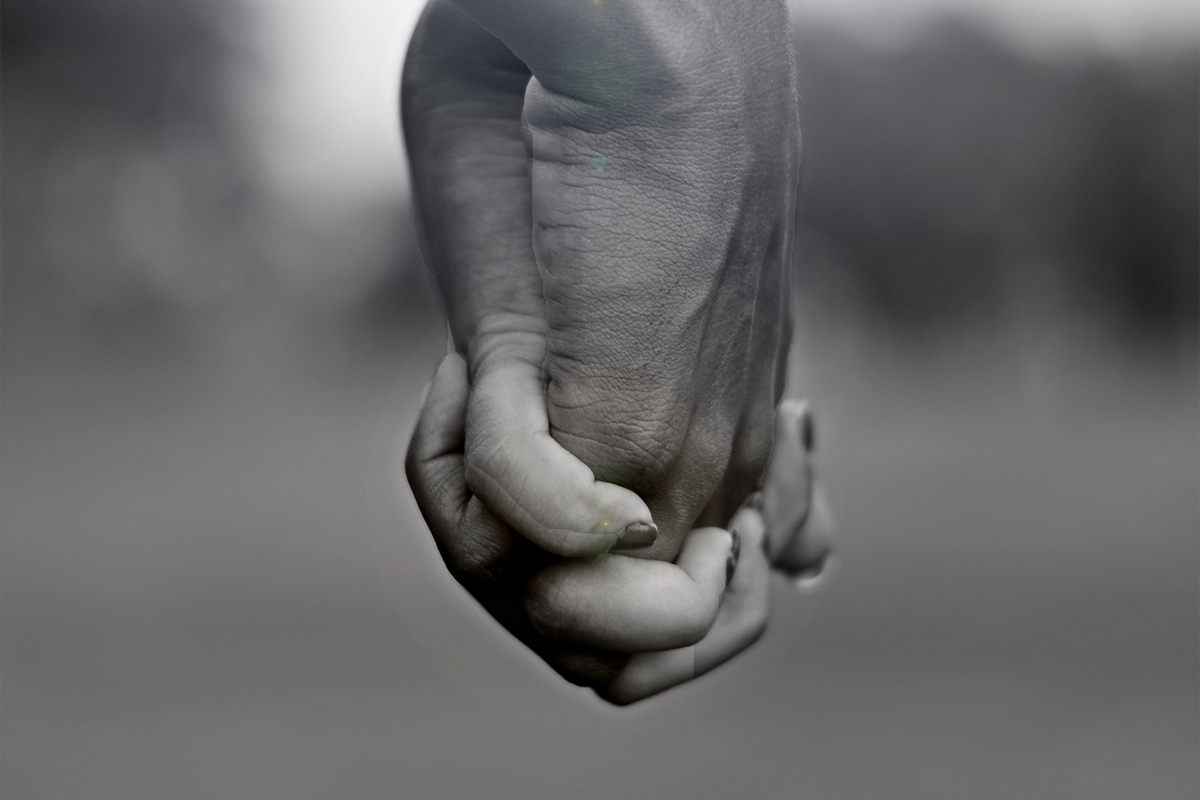
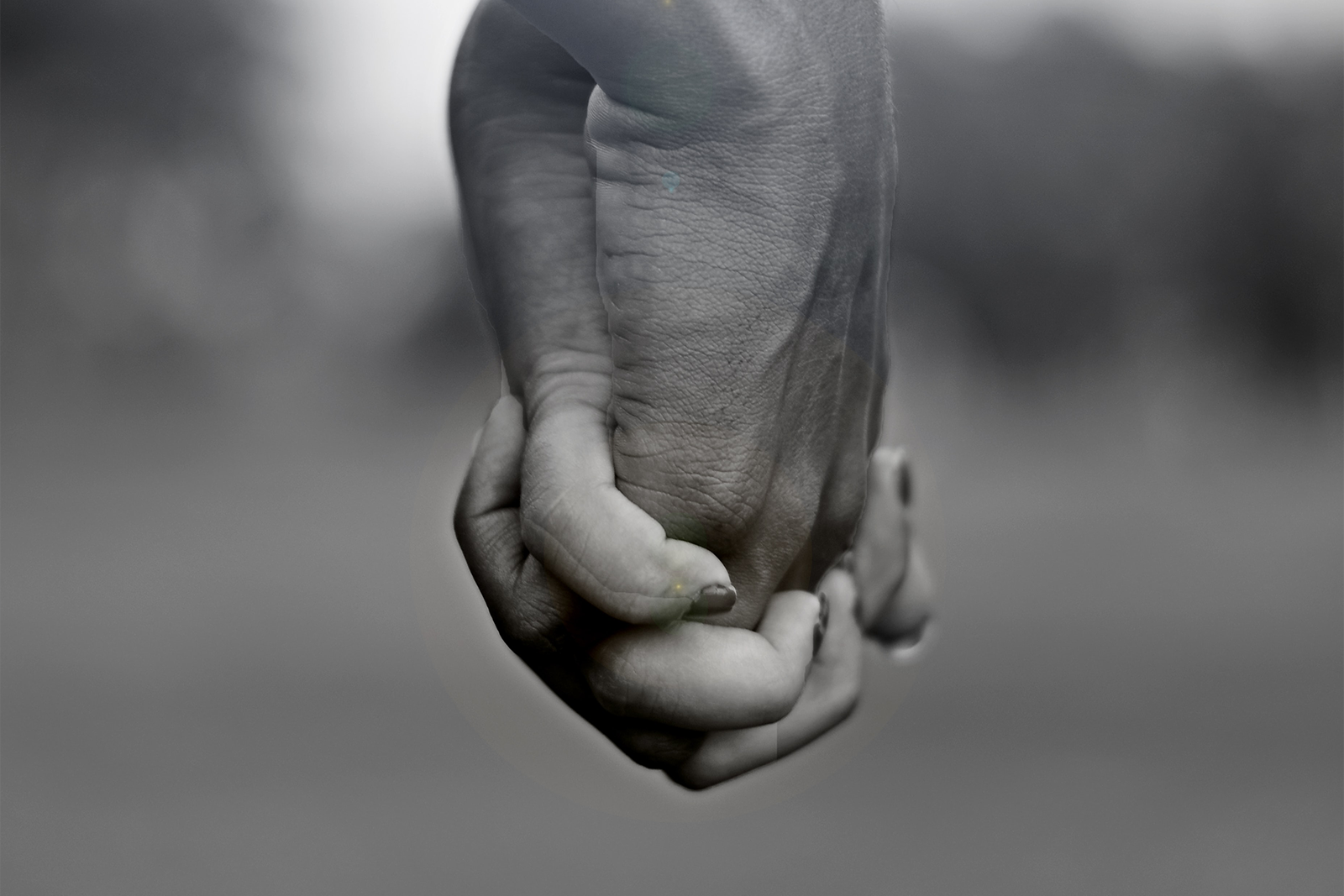
- Hold someone’s hand. (after washing and with permission, obvs) Human touch is one of the most healing forces on the planet. When fear makes us recoil from each other, we propagate the exact world we’re trying to avoid.
Feel free to add your love prompts in the comments. The convergence of economic, health, and cultural instability have the power to reveal something genuinely good. They are pulling the masked fear and isolation many of us have chosen to make reasonable and drawing it into the public conversation. Like never in recent memory, the questions of how we are going to stay connected, how we are going to build community, and how we respect the most vulnerable among us are being brought out into the light.
Some are already casting these days as a time of great fear. Blasphemy, I say.
I know we are just getting warmed up to cast them as days of great love. Let’s go.
*The title is a riff on the name of the famous Colombian novel, Love in the Time of Cholera, by Gabriel García Márquez.