
Sacrificing Productivity
Making our labor, spiritual and otherwise, productive may be killing us and what I've learned from gardening that makes all the difference
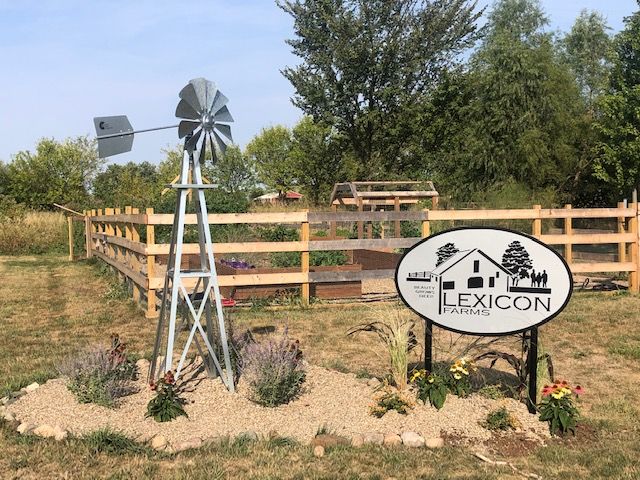
I’m taking a masterclass in organic gardening. Not in the traditional way—of course—but in the way that I’ve learned nearly everything: trial and error, brute strength and awkwardness, the PhD of learning the hard way… (plus Google). This summers lessons were big ones:
- Lost 1/3 of our vegetable plants to a massive and unmanageable squash bug infestation: pumpkins, melons, cucumbers, zucchini, acorn squash, butternuts, decorative gourds—all gone.
- The section of field grass we tilled up for a potato patch dried up to unmanageable solid rock when the rain stopped, trapping a season of potatoes inside it. (They’ll come out eventually.)
- The blueberry bushes struggled HARD against the heat and the alkaline Iowa soil. Lack of nutrient uptake and a tough case of copper fungus (which comes only in high dry heat, ironically) and they are in worse shape than when they went in the ground.
Each struggle produced a flurry of online searching, blog reading, video watching and re-education. I’ve got at least 3000 ideas for 2021’s garden including beetle forts (a natural predator to squash bugs), about 10 gallons of earthworms to start rebuilding soil health, and a remapped schedule of planting, with more spring harvesting, a sparser summer season, and the necessary planning to make a second fall season make up the difference.
Oh and we’re getting a couple of puppies next weekend who’ll keep me company while I’m out in the garden so… more excuses to get outside and grow soil.
Growing Soil
The industrial revolution in farming techniques (a much to large a topic for this humble site) was driven by one simple idea: growing fruit is more important than growing soil. In fact, soil, is a reasonable casualty for the availability of maximum fruit productivity.
The return to organic style gardening and farming has, of course, been led by the understanding that more fruit does not necessarily mean better fruit and that soil is the hardest and perhaps most important thing to grow. The best soil takes decades to build and just a couple of years of mono-culture to wash away.
When people ask what we grow at my humble little garden farm, I always have a litany of vegetables, fruits, and flowers to rattle off. But when I remember to answer truthfully I always say we grow soil.
We grow soil because it grows everything else. We grow soil because when it is healthy, alive, and free of weedy interventions, it does its work unforced, calling the full community of nature to its cause: worms, bugs, fungus, bacteria, butterflies, bees, rotting logs, wild grasses, and mulched leaves. Soil, when it is rich, enrichens everything around it. It cannot be consumed, only wasted.
“The soil is the great connector of lives, the source and destination of all. It is the healer and restorer and resurrector, by which disease passes into health, age into youth, death into life. Without proper care for it we can have no community, because without proper care for it we can have no life.” - Wendell Berry
The Spirit of God in the Spirit of Nature
This subtitle alone may make some decry me as a heretic, just know it’s not the first time and it won’t be the last.
When I am deeply connected to all the truths and rhythms I’ve laid out above, I find myself all the more disconnected from the spiritual life offered by industrial Christianity. The kind where we are manufactured into religious beings by the mechanized drum of programs, dogmas, systems. We are not humans, we are members or attenders, or worse—broken down to our economic utility: tithers.
When my body is moving at the speed of nature, I find that I am that much more in tune to the Spirit of God. The Spirit is a soil-maker, tending to the deep inner work, not the outer appearance. Jesus makes clear that productivity will come from those whose soil is well-tended and advises us to care for our soil, not to care for our productivity.
A modernized faith has no time for this. I need my faith cut up into 22-minute Sunday morning chunks, my rhythms delivered in my preferred music style, my worldview validated by the power of an empire state. None of this happens at soil speed. It has to be agitated by stress, ego, performance anxiety. The rhythm of industrial faith distrusts everything within, punishing and poisoning our deep-well water supply. Instead, it trusts everything from the outside: propaganda, programs, conspiracy theories, platitudes, and a steady diet of anxiety and shame. These chemical additives surely will squeeze the good things out of our dry land. They will make fruit out of dead soil, won’t they?
Perhaps they will, but the fruit will be rotten to the core.
Jesus, on the other hand, offers an inner wellspring of uncontaminated water. One that feeds the soil of our lives, alters our rhythms, connects us to each other, to the good world God made. It gives us allergies to the world of performance, ego, aggrandizement, and shame. The wellspring is slow and silent, often seeping from the darkest places. Not a flood, but a stream. It is always doing the slow work, sacrificing productivity—the false kind, for the rich benefits of a century-made spiritual soil.
Altered and Altared Labor
When talking with a friend about the lessons of my gardening masterclass, he asked an insightful question: “Does it change you to be learning things that take so much time to learn?” It’s true, whole seasons pass before I can even attempt my next squash bug remediation plan. The answer, of course, based on the above, was “yes.” I am altered.
I understand now why the Hebrews gave their harvest first fruits to God and why that meant more than writing a check for 10% of your wages. It meant sacrificing productivity. It meant that God was in the long-game and that the short game, the wheat, fruit, vegetables that emerged from the hard-won soil were ephemeral and temporary. What is temporary can be trusted to God, while God builds in us that which time cannot steal.
The Hebrews altared their labor, put its most tantalizing productivity on the fire. And it altered their work. This sacrifice of productivity changed their rhythm, their trust, their engagement with everyday life. It grounded them in the long-game of deep work: community, wellness, simplicity, joy, trust—all done at the speed of nature.
On this Labor Day, let’s put away the industrialized work. Let’s trash the vision that we need to make something of ourselves. Let’s feel the unforced rhythm of grace, knowing that when we tend to the soil, we don’t do the making, we are being made.
Let’s go.